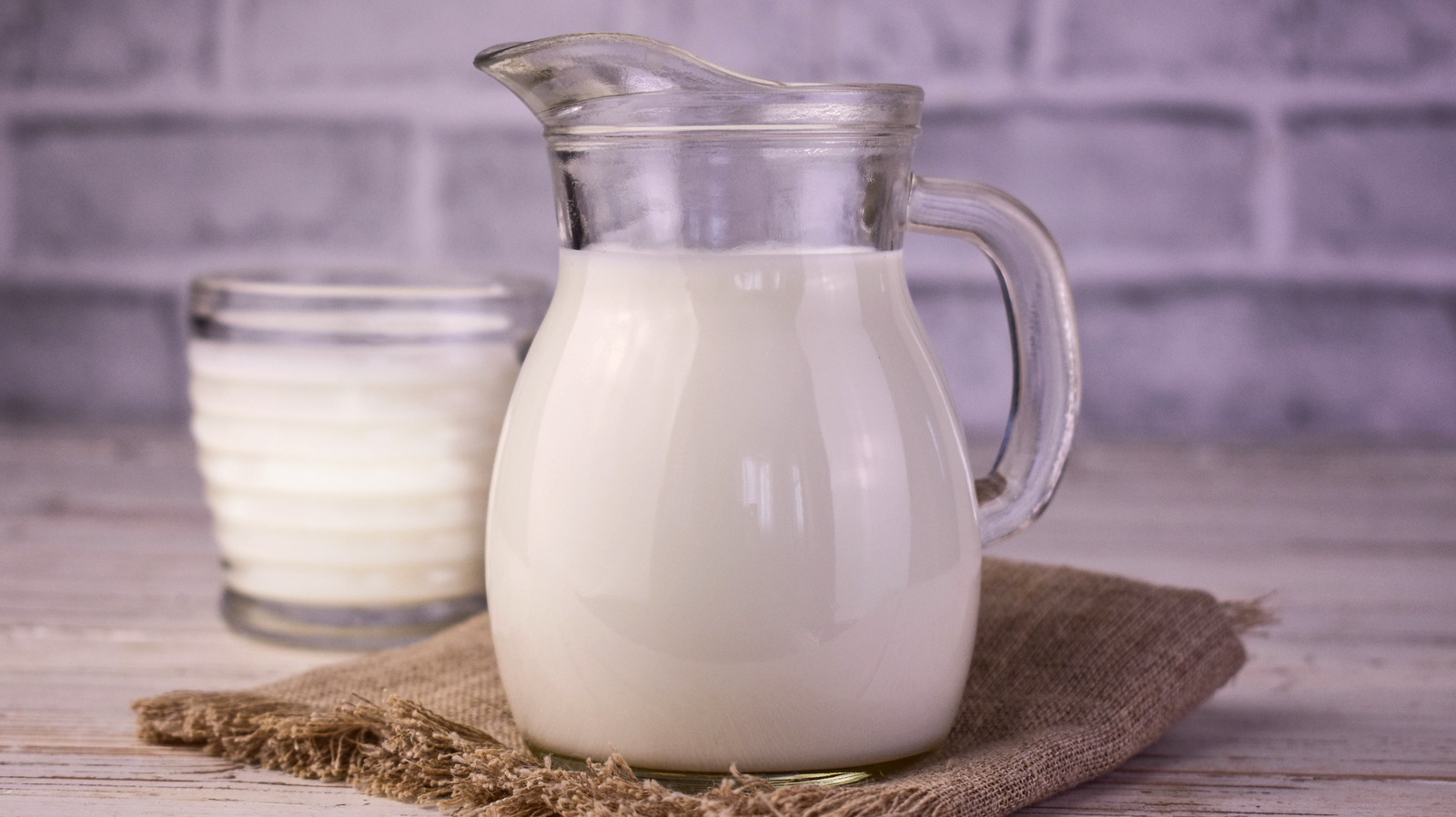
Do you ever find yourself with a carton of buttermilk lingering in the fridge, perhaps after whipping up a batch of fluffy pancakes, a tangy marinade, or a creamy ranch dressing? Instead of letting that precious liquid go to waste, imagine transforming it into an exquisite dessert that’s both refreshingly unique and incredibly satisfying. We're talking about homemade buttermilk ice cream – a hidden gem in the world of frozen treats that promises a delightful adventure for your taste buds.
This article will guide you through the wonderful world of buttermilk ice cream, exploring its rich history, explaining why it's such a fantastic ingredient for desserts, and providing you with the insights needed to create your own creamy, tangy masterpiece. Prepare to turn that leftover buttermilk into a luxurious indulgence that rivals any store-bought pint!
The Underrated Delight of Buttermilk Ice Cream
The concept of using buttermilk in ice cream might sound unusual at first, but for those in the know, it’s a revelation. Imagine the velvety texture of classic vanilla ice cream, but with a sophisticated twist: a gentle, pleasant tang that cuts through the sweetness, leaving a clean and bright finish. This unique flavor profile is often likened to a deconstructed cheesecake or a more indulgent, refined version of frozen yogurt. It’s a taste experience that truly elevates the humble scoop.
The story of Buttermilk Ice Cream: Discover its Tangy-Sweet Flavor & History dates back to the resourceful kitchens of early 19th-century Southern America. During an era when nothing went to waste, surplus buttermilk – a byproduct of churning butter – found a new purpose beyond baking. Families discovered that this slightly acidic, milky liquid could be sweetened, churned, and frozen into a wonderfully refreshing dessert. It was a perfect antidote to the sweltering heat, offering a cooling, tangy treat that utilized readily available ingredients. This tradition of culinary ingenuity allowed the recipe to evolve, spreading beyond regional boundaries and gaining admirers worldwide for its distinctive character.
Today, buttermilk ice cream isn't just a historical curiosity; it's celebrated for its ability to deliver a complex, balanced flavor that’s both comforting and exciting. It stands out from standard vanilla by adding an extra dimension, transforming a simple dessert into something truly memorable.
Why Buttermilk is Your Ice Cream's Secret Weapon
Beyond its historical charm and unique taste, buttermilk brings several practical advantages to the ice cream making process, making it an ideal ingredient for home cooks looking to experiment and minimize waste.
Firstly, the obvious benefit: waste reduction. How many times have you bought a large carton of buttermilk for a specific recipe, only to find the remainder slowly expiring in the back of your refrigerator? Making Homemade Buttermilk Ice Cream: The Easy Custard Recipe Guide is an elegant solution, transforming a potential discard into a delectable dessert. It’s a sustainable approach to cooking that rewards you with something truly special.
Secondly, buttermilk profoundly impacts both the flavor and texture of your ice cream. The lactic acid present in buttermilk is responsible for its signature tang. This acidity doesn't just add flavor; it also interacts with the fats and proteins in the cream, contributing to an incredibly smooth and silky texture. It helps prevent the ice cream from becoming overly sweet, creating a harmonious balance that keeps you coming back for more. This subtle acidity can also make the ice cream feel lighter on the palate, despite its creamy richness.
Lastly, buttermilk acts as a natural tenderizer in many recipes, and while its primary role in ice cream isn't tenderizing, its unique properties contribute to a finer ice crystal structure during freezing. This means a smoother, less icy final product, which is the hallmark of truly great homemade ice cream. The result is an ice cream that's not just sweet and cold, but also wonderfully complex, boasting a depth of flavor that's hard to achieve with ordinary milk alone.
Crafting Your Custard-Based Buttermilk Ice Cream: A Step-by-Step Guide
Many of the best buttermilk ice cream recipes are custard-based, meaning they begin with a cooked egg yolk mixture that provides unparalleled richness and body. While the exact measurements will vary by recipe, the methodology remains consistent and surprisingly straightforward.
Key Ingredients You'll Need:
- Buttermilk: The star of the show! Use full-fat buttermilk for the creamiest results.
- Heavy Cream: Adds essential richness and helps achieve that luxurious texture.
- Sugar: Granulated sugar is standard, but consider turbinado sugar (raw sugar) for a beautiful warm color and subtle caramel notes, as some enthusiasts suggest. Its coarse texture also adds a delightful sparkle if used as a topping later.
- Egg Yolks: The foundation of your custard, providing richness, emulsification, and a smooth mouthfeel.
- Vanilla: Pure vanilla extract is good, but for an extra layer of gourmet flavor and beautiful speckles, a fresh vanilla bean scraped into the mixture is highly recommended.
- A Pinch of Salt: Enhances all the flavors.
The Process:
- Warm the Dairy: In a saucepan, gently heat the buttermilk, heavy cream, and sugar over medium heat. Stir until the sugar is fully dissolved. Do not bring to a boil; just warm until steaming.
- Temper the Egg Yolks: In a separate bowl, whisk your egg yolks until light yellow and slightly thickened. This is a crucial step to prevent the eggs from scrambling. Slowly drizzle about a cup of the warm dairy mixture into the whisked egg yolks while continuously whisking. This gradually raises the temperature of the yolks.
- Cook the Custard: Pour the tempered egg yolk mixture back into the saucepan with the remaining warm dairy. Continue to cook over medium-low heat, stirring constantly with a wooden spoon or spatula. The custard is ready when it thickens enough to coat the back of your spoon, and you can draw a clean line across it with your finger. This usually happens around 170-175°F (77-79°C). Do not boil, or the custard may curdle.
- Add Vanilla (and Strain): Remove the custard from the heat. Stir in your vanilla extract or vanilla bean paste. For the smoothest possible texture, strain the custard through a fine-mesh sieve into a clean bowl. This catches any tiny pieces of cooked egg or vanilla bean remnants.
- Chill Thoroughly: Cover the custard with plastic wrap, pressing it directly onto the surface to prevent a skin from forming. Refrigerate for at least 4-6 hours, or preferably overnight, until it is completely chilled. This step is vital for proper churning.
- Churn: Once the custard is fully chilled, pour it into your ice cream maker and churn according to the manufacturer's instructions. The mixture will typically thicken to the consistency of soft-serve ice cream.
- Freeze to Firm: Transfer the soft ice cream to an airtight container and freeze for another 2-4 hours to reach a firmer, scoopable consistency.
Pro Tip: Using turbinado sugar can add a lovely subtle caramel note. If you don't have an ice cream maker, you can still make this! Pour the chilled mixture into a shallow freezer-safe container, freeze for 30 minutes, then remove and beat with an electric mixer. Repeat this process every 30 minutes for 2-3 hours until it reaches a creamy consistency. While an ice cream maker yields the best results, hand-churning is a viable alternative.
Serving Suggestions and Creative Pairings
Once your buttermilk ice cream is ready, the serving possibilities are endless. Its distinct tangy-sweet flavor makes it versatile enough to enjoy on its own or as a brilliant complement to other desserts.
Enjoy it Solo: Sometimes, the simplest pleasures are the best. A generous scoop of Homemade Buttermilk Ice Cream: The Easy Custard Recipe Guide in a bowl can be a perfectly satisfying treat. Its complex flavor profile truly shines when unadorned.
Fresh Fruit Fanatic: This ice cream pairs exceptionally well with fresh berries. The tanginess of the buttermilk beautifully complements the natural sweetness and slight tartness of strawberries, blueberries, raspberries, or mixed berries. A simple berry sauce made from pureed and lightly sweetened berries, or even a spoonful of your favorite berry jam, creates a stunning combination.
Decadent Drizzles: For those with a sweet tooth, a drizzle of homemade salted caramel sauce or a rich chocolate ganache can elevate the experience. The saltiness in the caramel, in particular, creates an exciting contrast with the tangy ice cream.
Alongside Baked Goods: Buttermilk ice cream makes an incredible accompaniment to warm desserts. Imagine a scoop melting delicately over a slice of apple pie, a peach cobbler, or a warm brownie. The creamy tang cuts through the richness of these treats, creating a balanced and harmonious bite.
Spice It Up: Don't be afraid to experiment with a sprinkle of cinnamon or a dash of nutmeg for a warmer, spicier note, especially during cooler months. A touch of lemon or orange zest could also brighten the flavor even further.
While this delightful treat is made with natural ingredients, like all desserts, it's best enjoyed in moderation. The satisfaction of creating something so delicious from scratch often makes it even more enjoyable.
Don't let that leftover buttermilk go to waste ever again. Embrace the opportunity to transform it into a creamy, tangy, and utterly irresistible batch of homemade buttermilk ice cream. It's an easy-to-make dessert that offers a sophisticated flavor profile and a refreshing experience, perfect for any occasion. So, gather your ingredients, follow these simple steps, and prepare to delight your senses with this unique frozen treat!
